When most people think of an Automated Teller Machine (ATM), they picture a static, hole-in-the-wall machine used exclusively for withdrawing crisp paper bills or checking a bank account balance. For decades, this was exactly what the ATM was designed to do. It was a convenient bridge between digital bank accounts and physical currency.
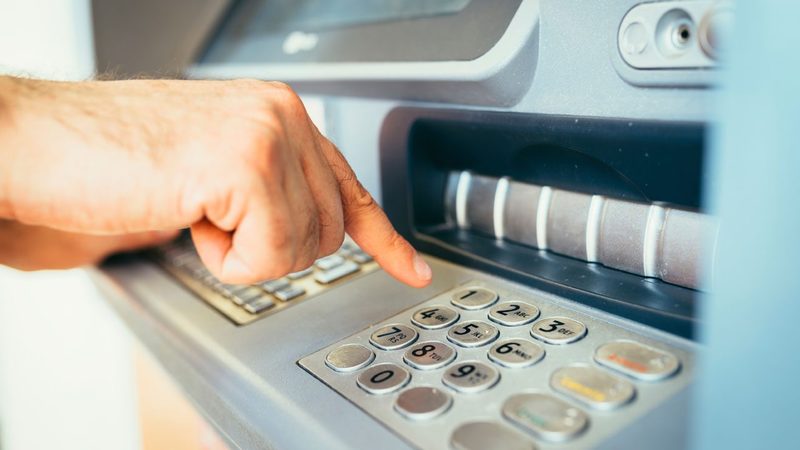
However, the financial landscape has shifted dramatically. With the rise of fintech, contactless payments, and e-commerce, the traditional role of cash is evolving, and along with it, the humble ATM.
Today, progressive financial institutions and independent deployment networks are transforming the ATM into a sophisticated, multi-functional payment processing solution. Far from becoming obsolete, the modern ATM is cementing its place as a vital hub for diverse financial transactions, blending physical accessibility with digital agility.
The Evolution of the ATM Ecosystem
To understand how ATMs function as a payment processing solution, we must look past the old green-screen interfaces of the 1990s. Modern ATMs are essentially highly secure, specialized computers equipped with advanced software stacks, internet connectivity, biometric scanners, and near-field communication (NFC) readers.
This technological evolution allows the ATM to operate on the same rails as advanced point-of-sale (POS) terminals and online payment gateways. Instead of merely dispensing cash, the infrastructure can now capture, encrypt, authenticate, and route complex transactional data across various banking networks in real-time.
Beyond Cash: Key Payment Processing Functions of Modern ATMs
By expanding their software capabilities, operators have unlocked a wide array of payment processing functionalities within the ATM terminal.
Bill Payments and Utility Settlement
In many parts of the world, particularly in developing economies and underbanked regions, ATMs serve as primary payment centers. Consumers can walk up to an ATM, scan a barcode on a utility bill, and pay their electricity, water, or internet invoices directly. The payment processing engine behind the ATM validates the utility account, processes the debit from the user’s card or handles cash acceptance, and instantly updates the service provider’s ledger.
Seamless Mobile and Wallet Integration
The rise of digital wallets like Apple Pay, Google Wallet, and regional fintech apps has not eliminated the need for ATMs; it has integrated them. Modern ATMs act as payment processors for cardless transactions. By utilizing QR codes or NFC technology, a user can initiate a transaction on their smartphone and complete it at the ATM without ever inserting a physical plastic card. This bridge between mobile wallets and physical endpoints creates a unified payment ecosystem.
Peer-to-Peer (P2P) Remittances
International and domestic money transfers have traditionally required a visit to a dedicated brick-and-mortar remittance office. ATMs equipped with advanced payment processing software can now facilitate these transfers autonomously. A user can deposit cash or use their debit card at a local machine, enter the recipient’s details, and the system processes the transfer instantly. The recipient can then withdraw those funds from an ATM on the other side of the country or the world.
Digital Asset and Crypto On-Ramping
One of the newest frontiers for ATMs as a payment processing solution is the integration of cryptocurrency. Bitcoin and digital asset ATMs allow users to insert fiat currency to purchase crypto, or sell their digital tokens and receive cash. The underlying software acts as an exchange gateway, communicating with blockchain networks and liquidity providers to process volatile asset transactions safely and securely.
The Business Advantages of ATM Payment Solutions
For merchants, financial institutions, and independent operators, deploying advanced ATM networks offers significant strategic benefits:
- Reduced Operational Friction: By migrating routine payment transactions—such as loan repayments or account deposits—to self-service ATMs, banks can drastically reduce wait times inside branches and lower labor costs.
- Financial Inclusion: ATMs remain a crucial touchpoint for unbanked and underbanked populations who rely on cash for daily commerce. Transforming ATMs into payment processors allows these individuals to participate in the broader digital economy, pay bills digitally, and transfer funds without needing a traditional checking account.
- New Revenue Streams: Every non-cash payment processed through an ATM network creates an opportunity for operator monetization via convenience fees, interchange fees, or micro-transaction surcharges.
Security at the Forefront of the Architecture
As ATMs take on more responsibilities as payment processing solutions, security measures have scaled accordingly. Modern terminals utilize end-to-end encryption (E2EE) to secure transactional data from the moment a user interacts with the screen until the data reaches the processing host. Furthermore, the integration of biometric authentication, such as fingerprint or palm-vein scanning, ensures that high-value payment processing is heavily protected against identity theft and card skimming.
Conclusion
The narrative that cash alternatives will render the ATM obsolete overlooks the incredible adaptability of the technology. The ATM is no longer just a mechanical cash dispenser; it has matured into an omni-channel payment processing solution.
By handling everything from utility bills and mobile wallet cash-outs to international remittances and cryptocurrency exchanges, the modern ATM bridge the gap between physical reality and digital finance. As technology continues to advance, the ATM will remain a cornerstone of global financial infrastructure, continually redefining how we move, manage, and process our money.